
Featured lines
This season’s best sellers
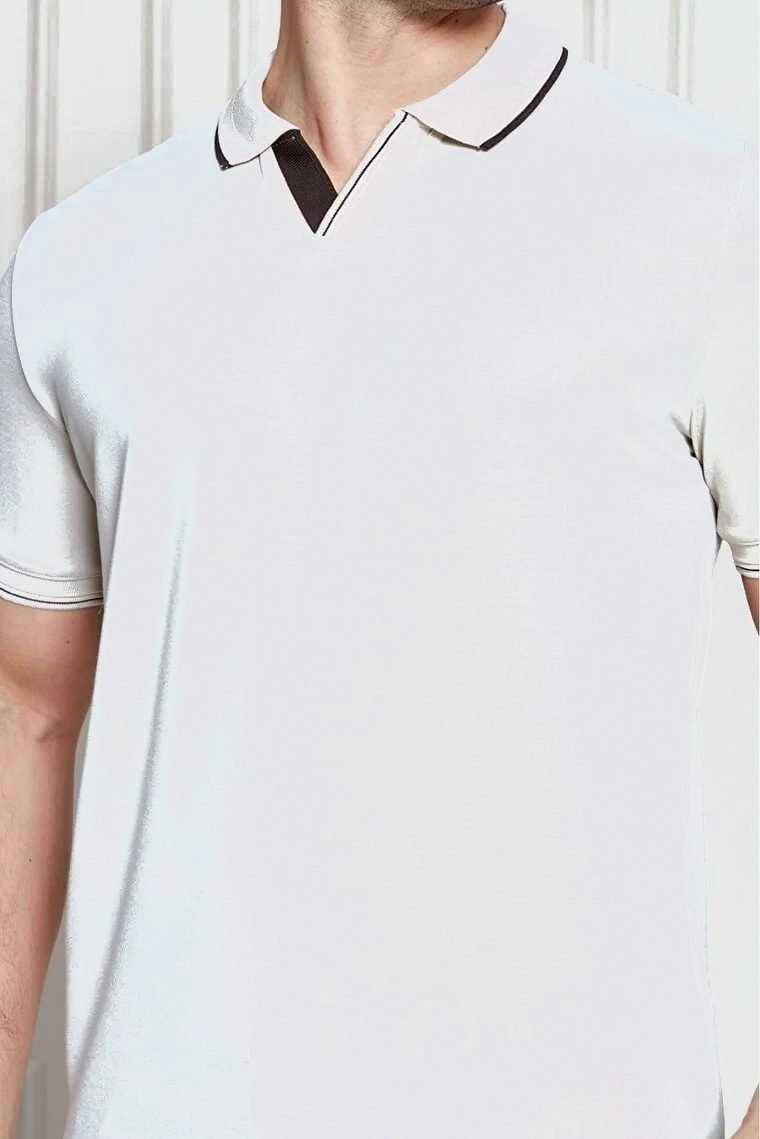
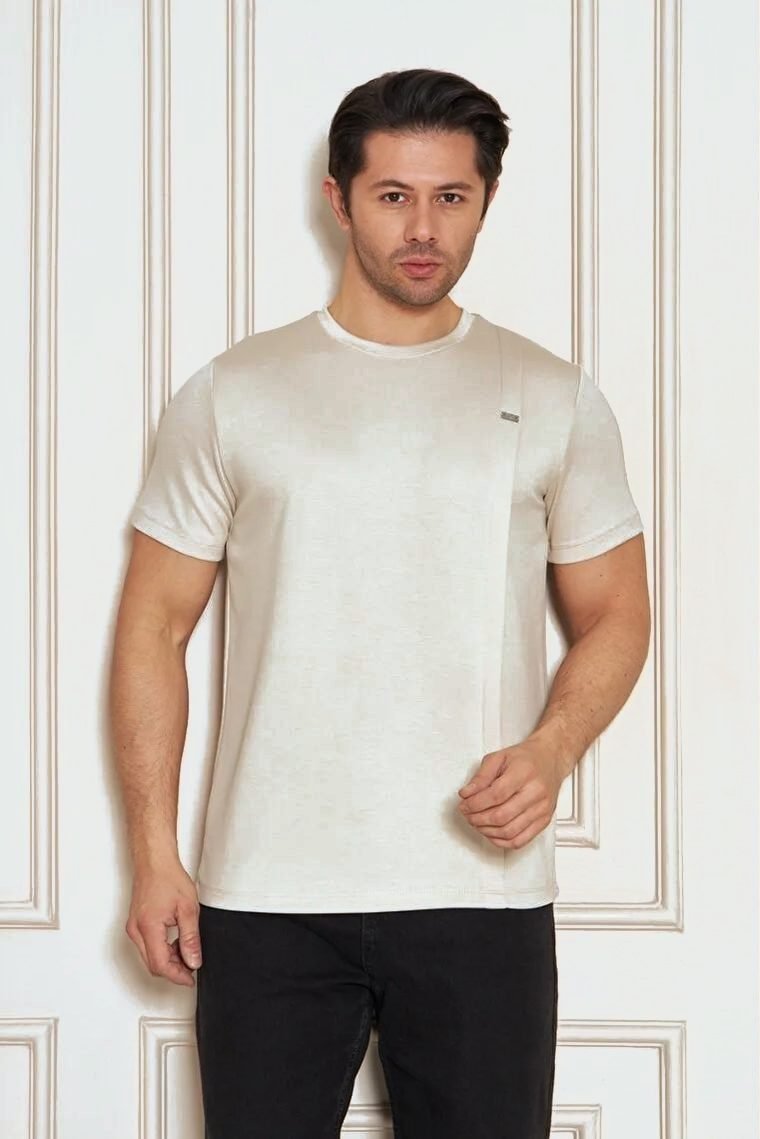
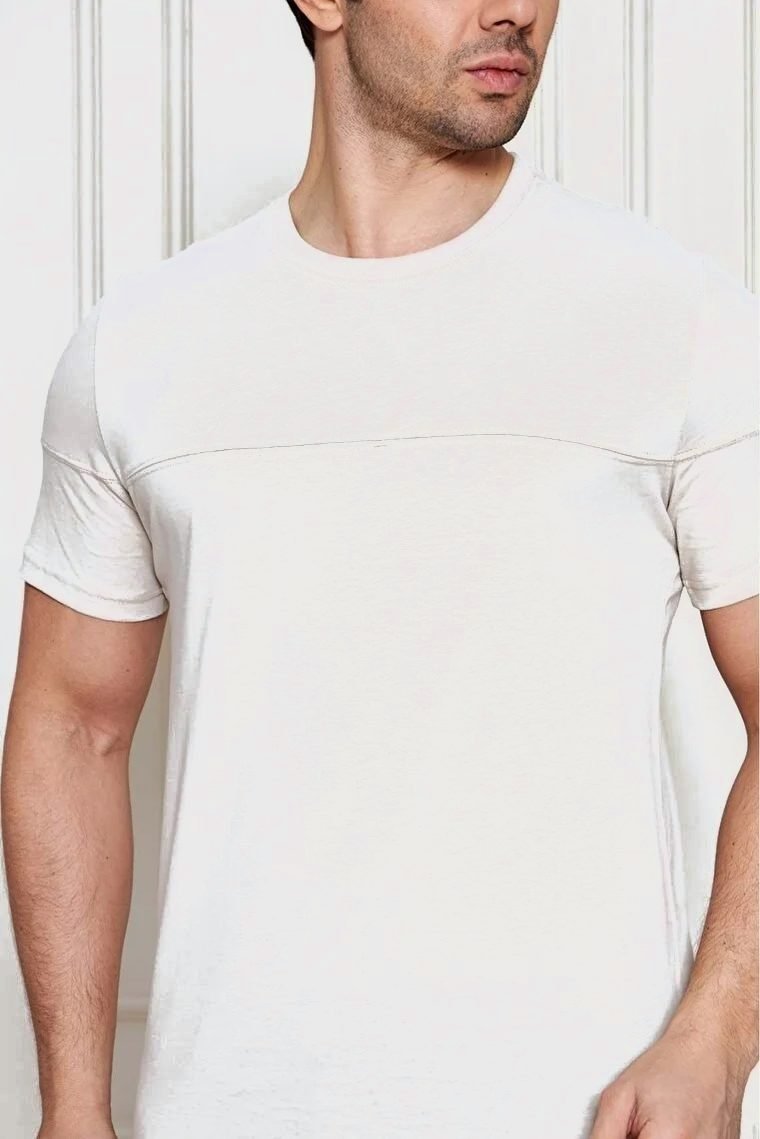
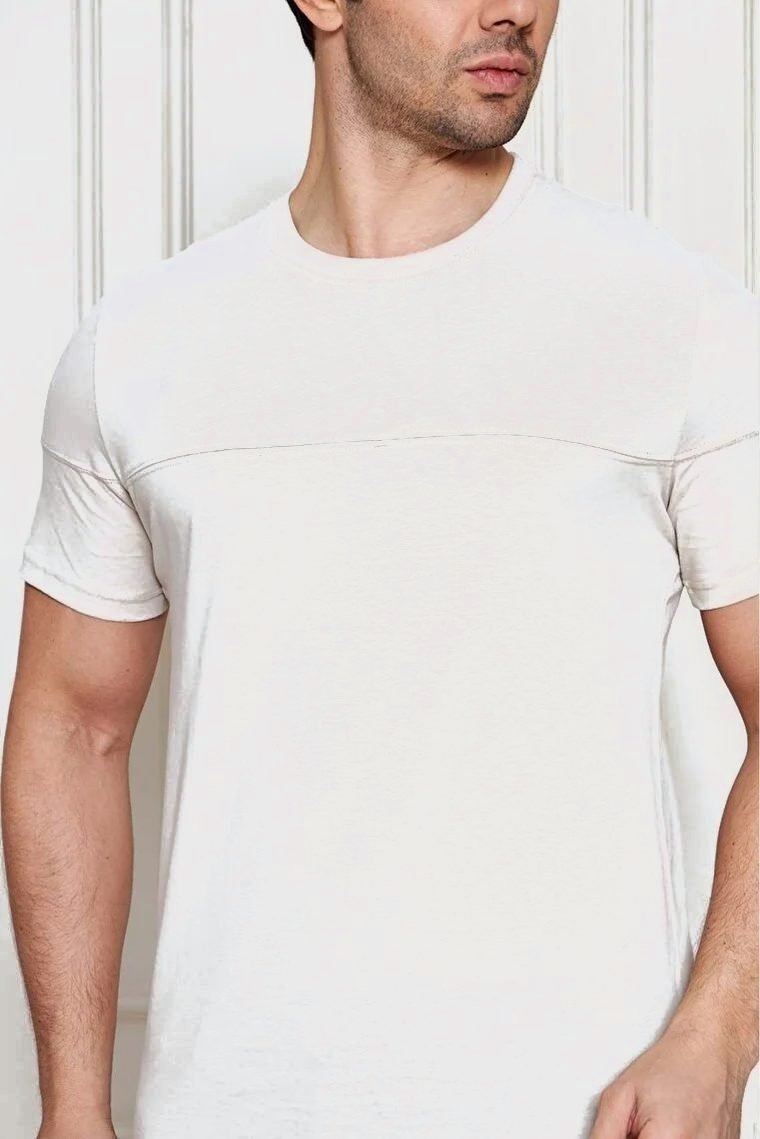
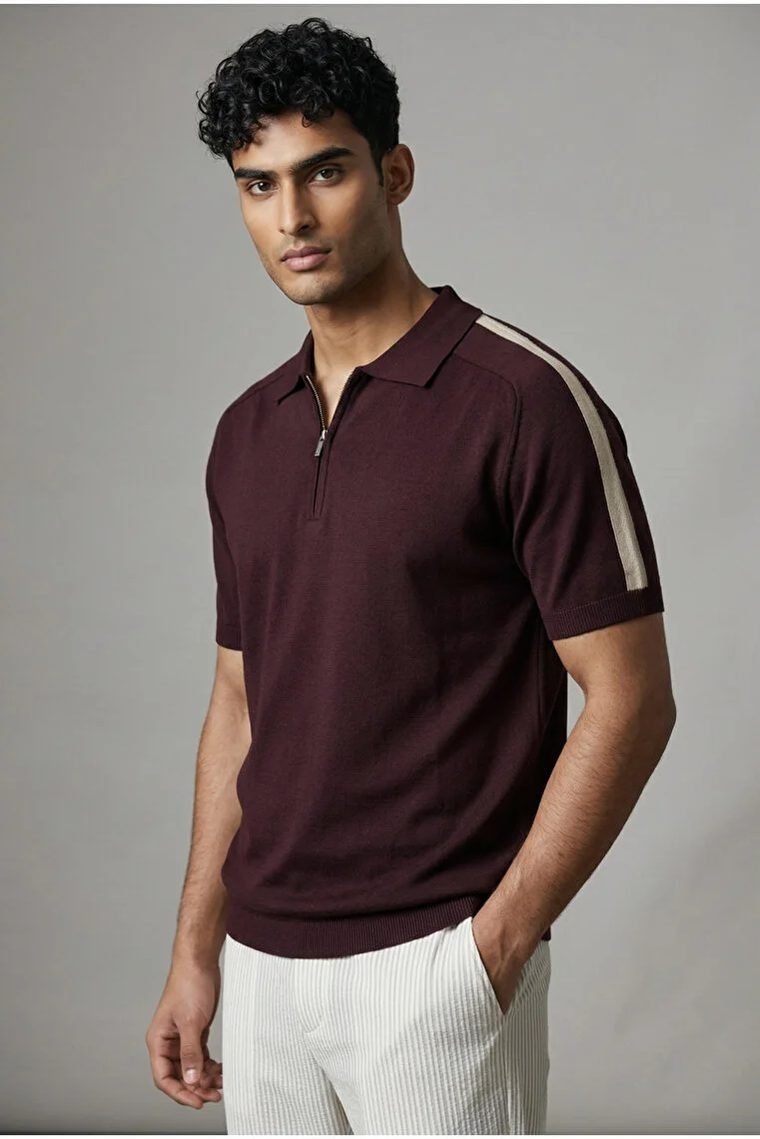
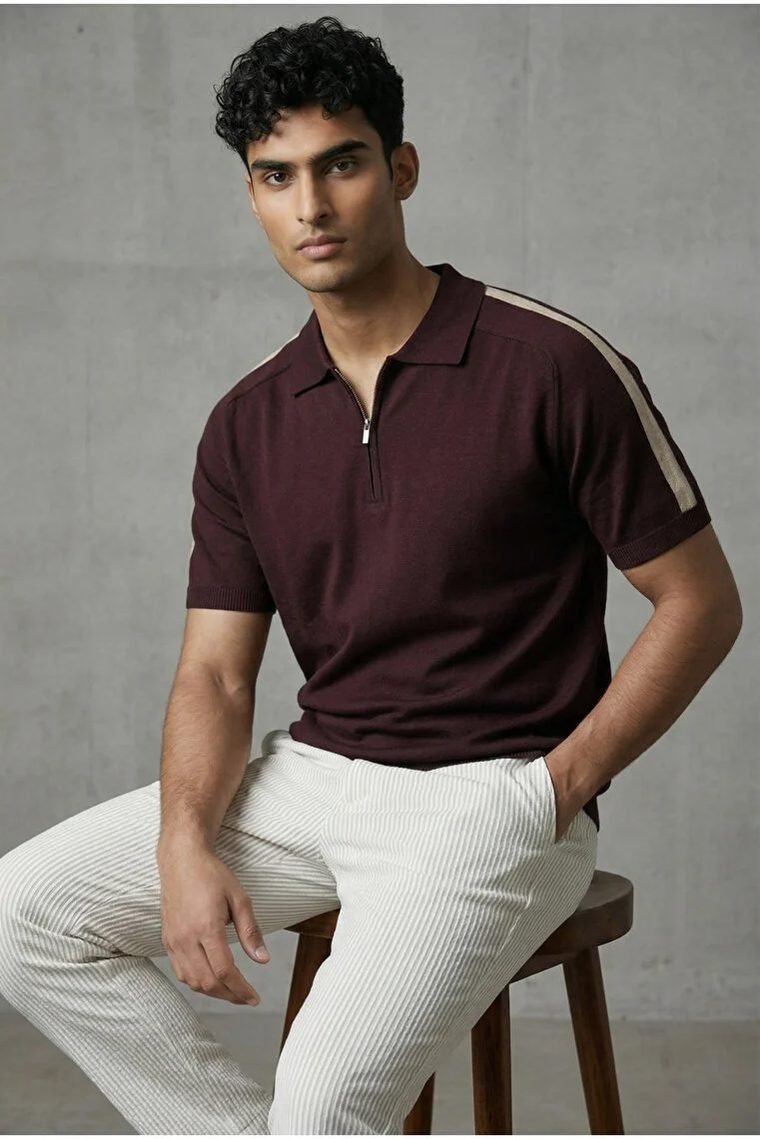
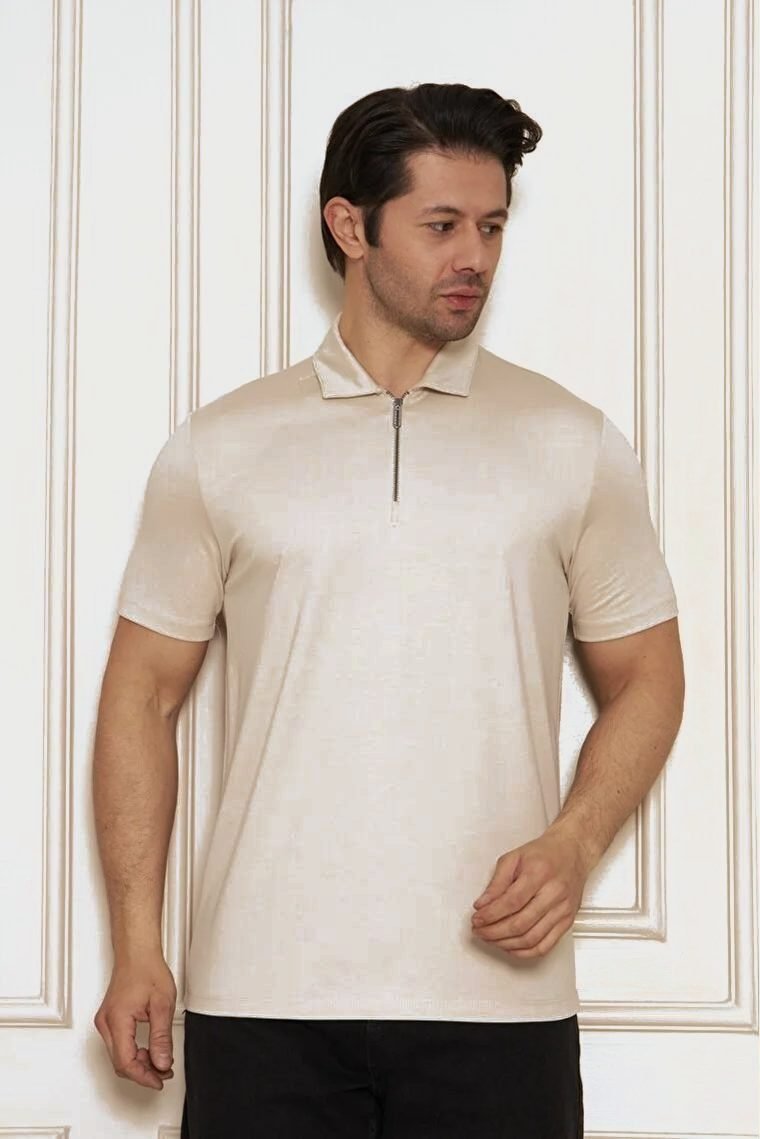
Fabric and workmanship
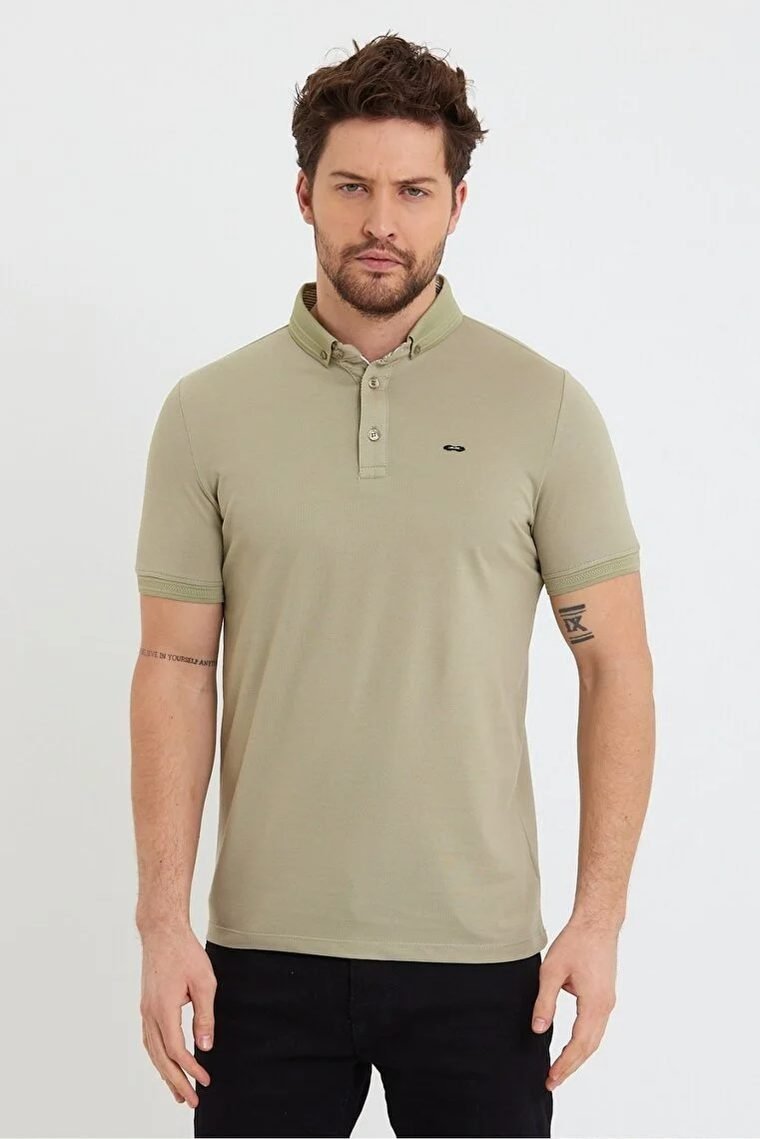
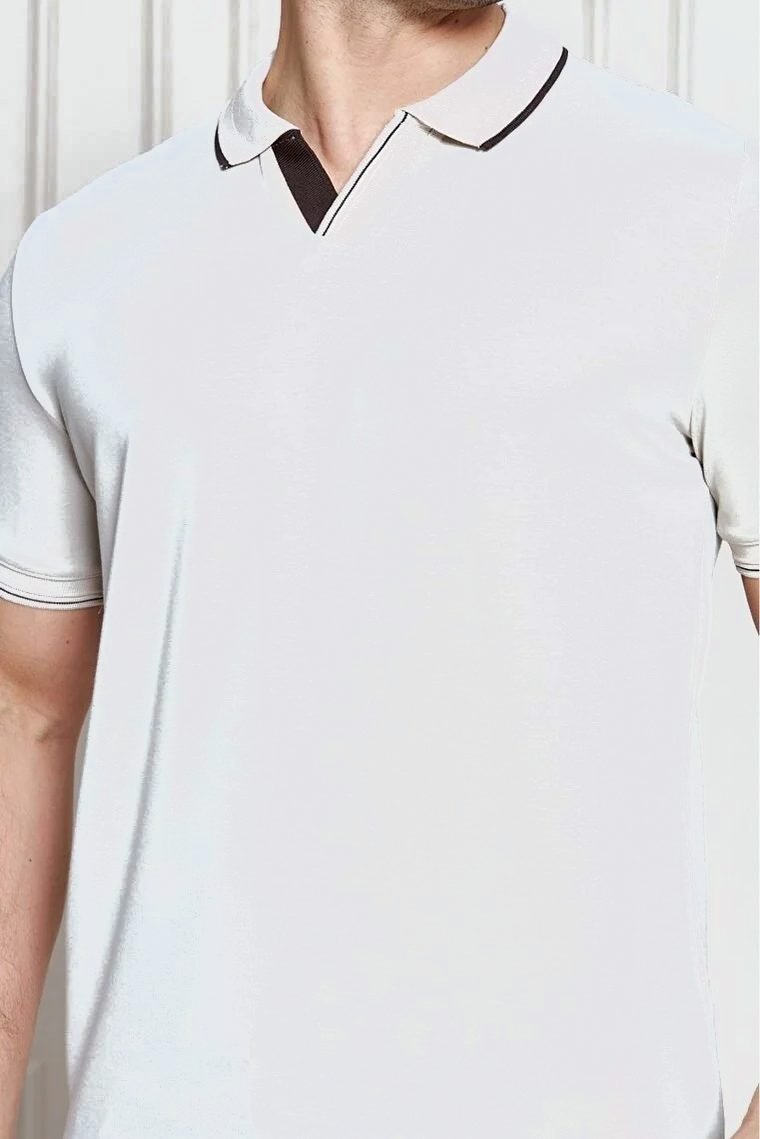
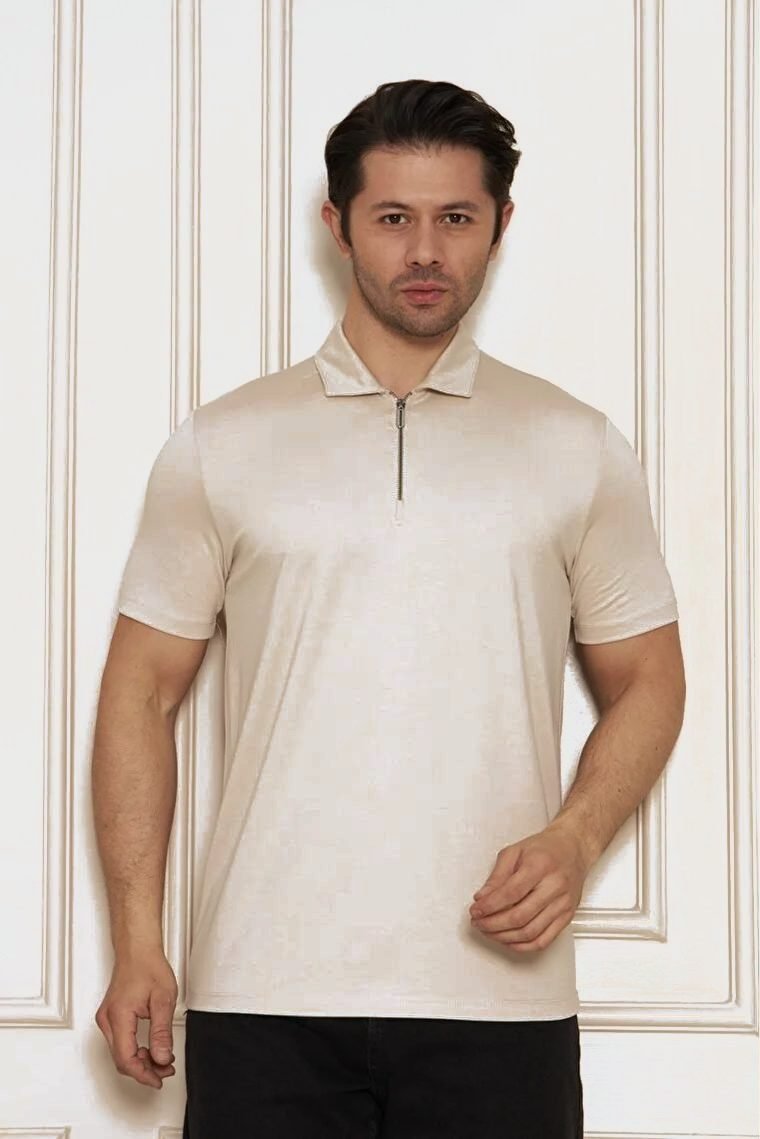
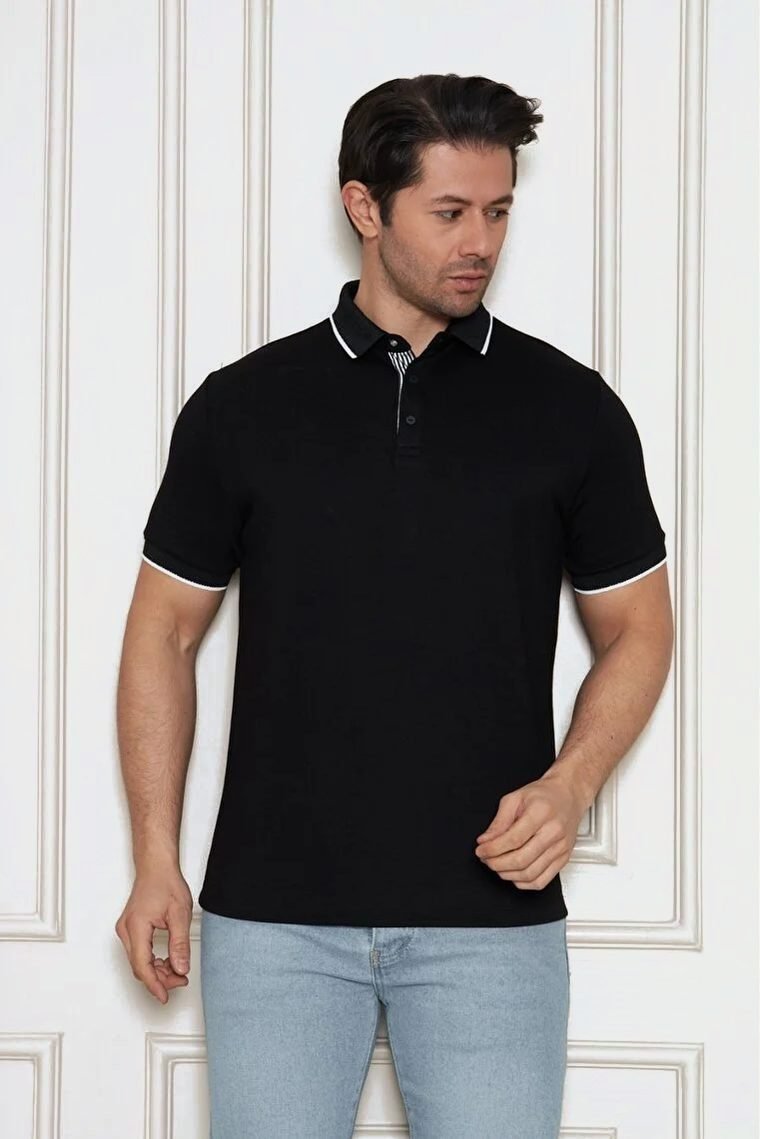
A collar stands upright because of the fabric weight
A polo collar that keeps its shape after the first wash is no accident. What decides it is the yarn count, the knit density and the tension of the collar rib. We build every line around these three values, so the hand feel stays the same even when the batch changes.
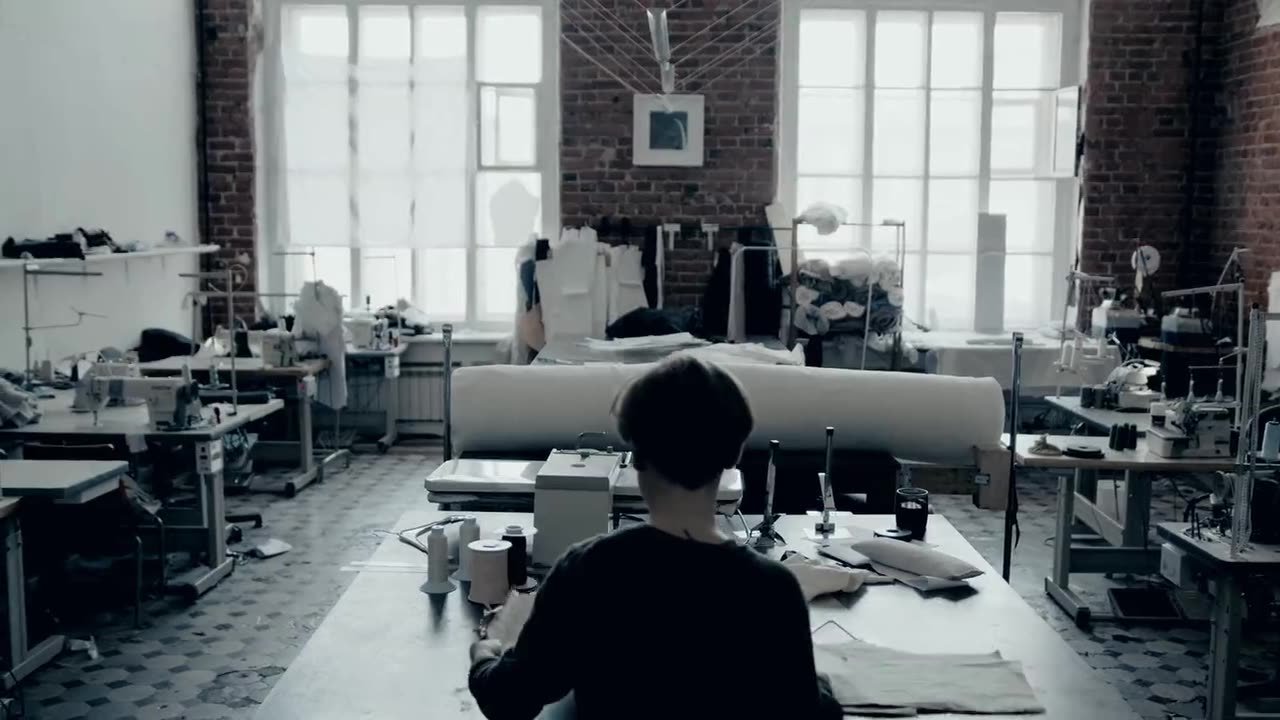
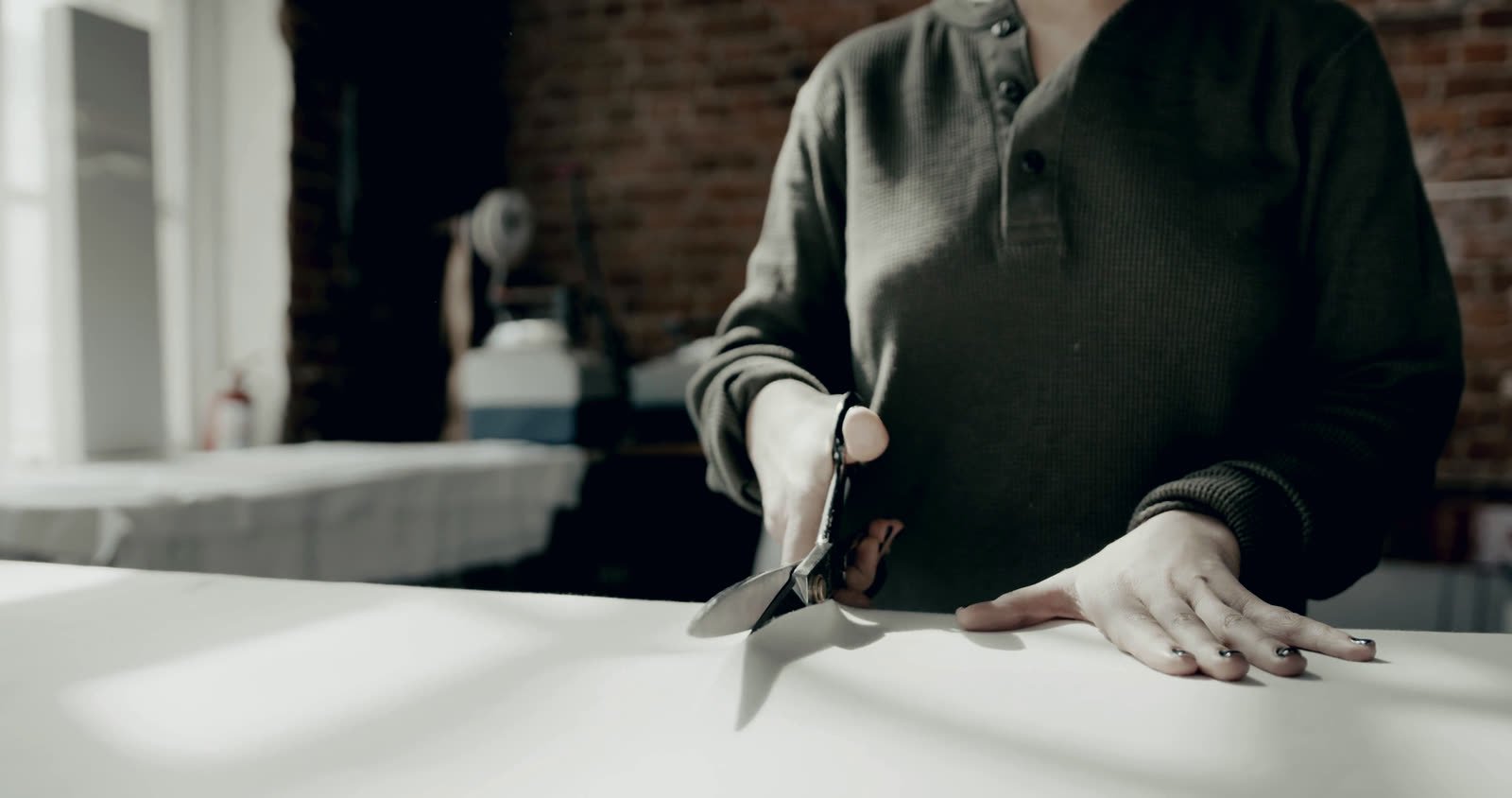
Cutting allowance, stitch density and the final press are all followed in the same workshop. That is why a customer who reorders the same model six months later receives a garment that matches the one already in hand.
Fabric selection. Piqué, oxford, viscose-linen and fine knit; each line is trialled separately for weight and hand feel.
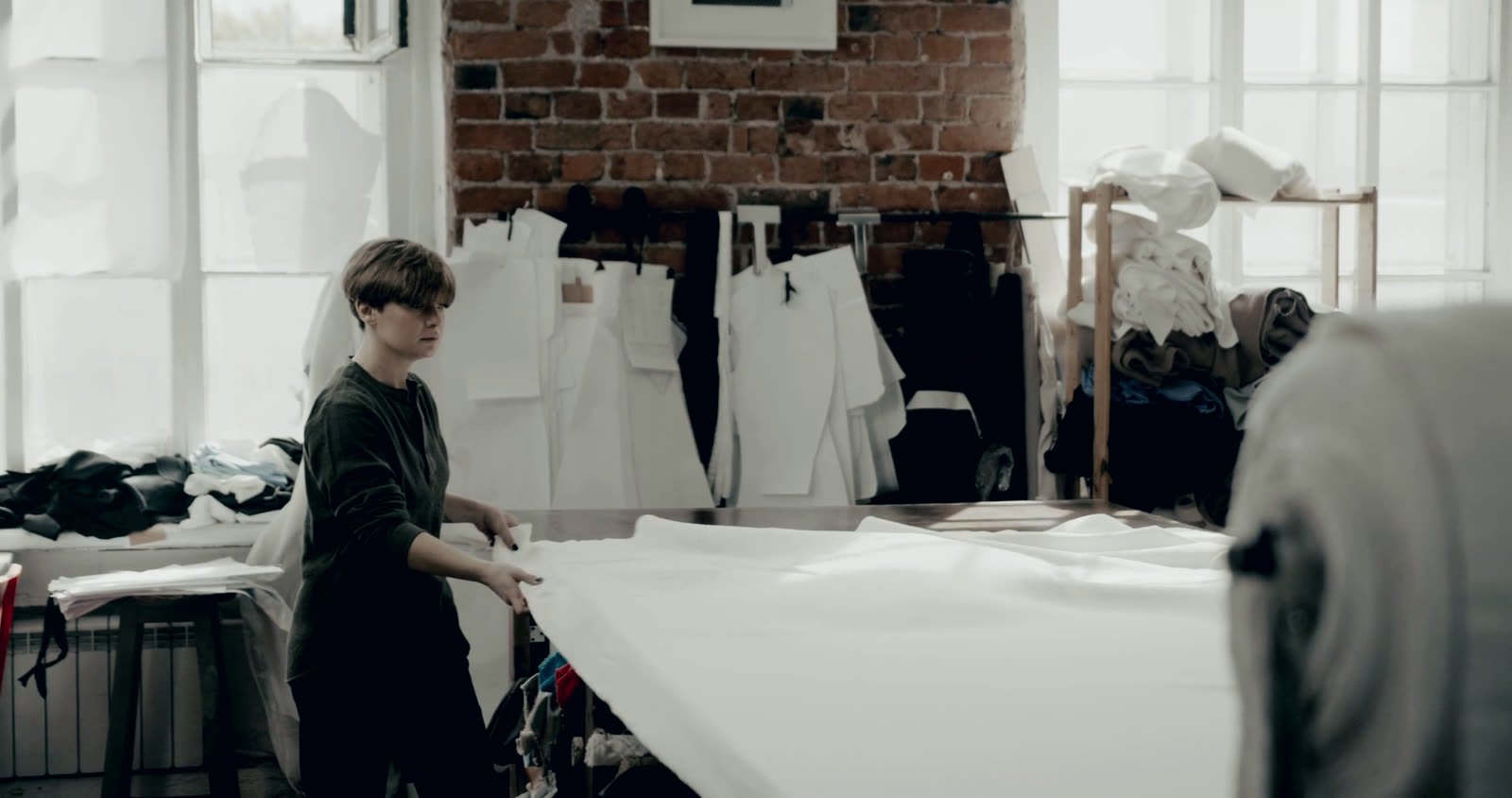
Cutting. After spreading, the marker is checked and the allowance is verified size by size.
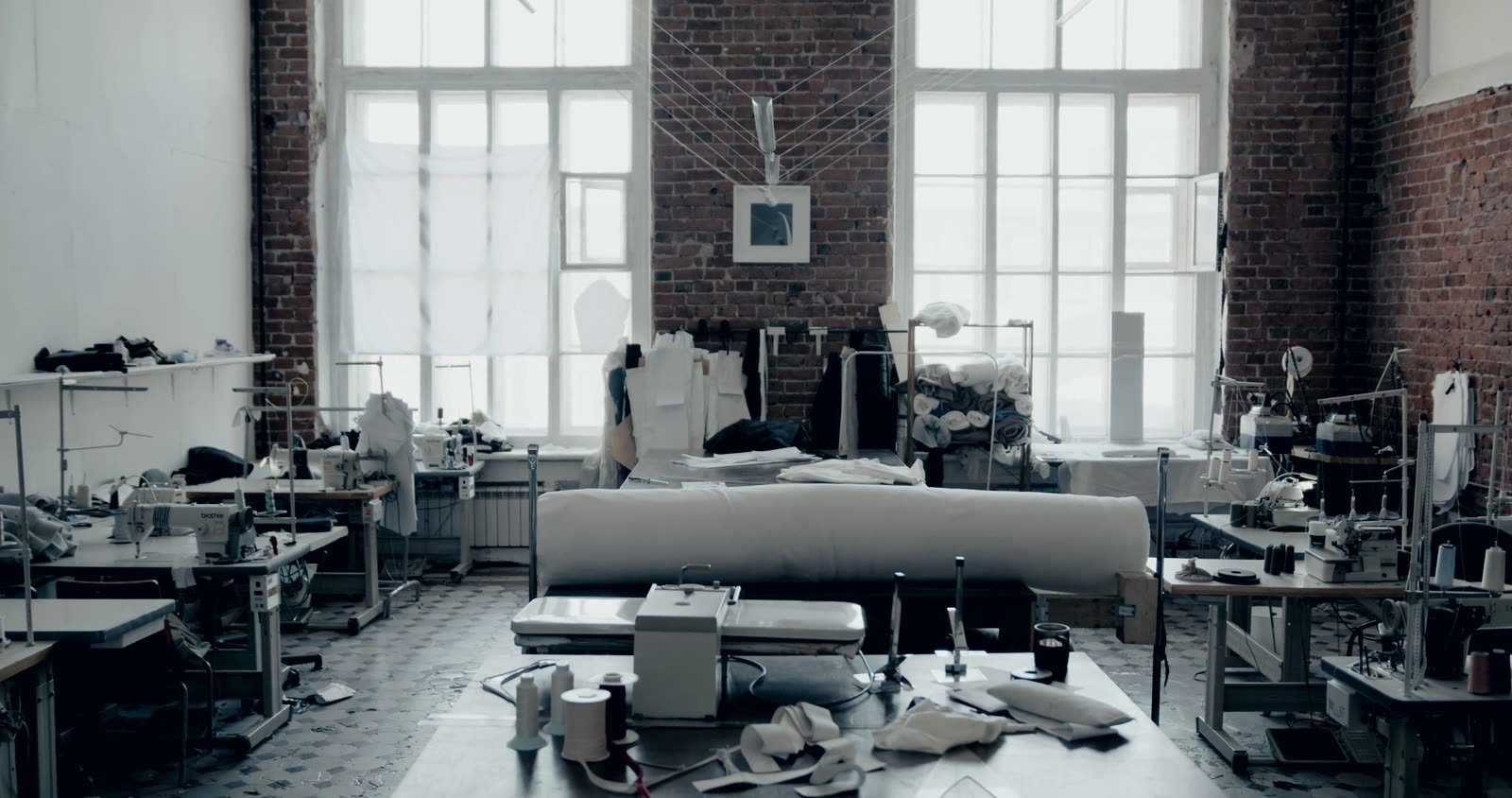
Sewing. Collar, hem and shoulder seams run on separate machines; rib tension is checked by hand.
Final inspection. Pressing, measurements and colour consistency are verified on samples drawn from the batch.
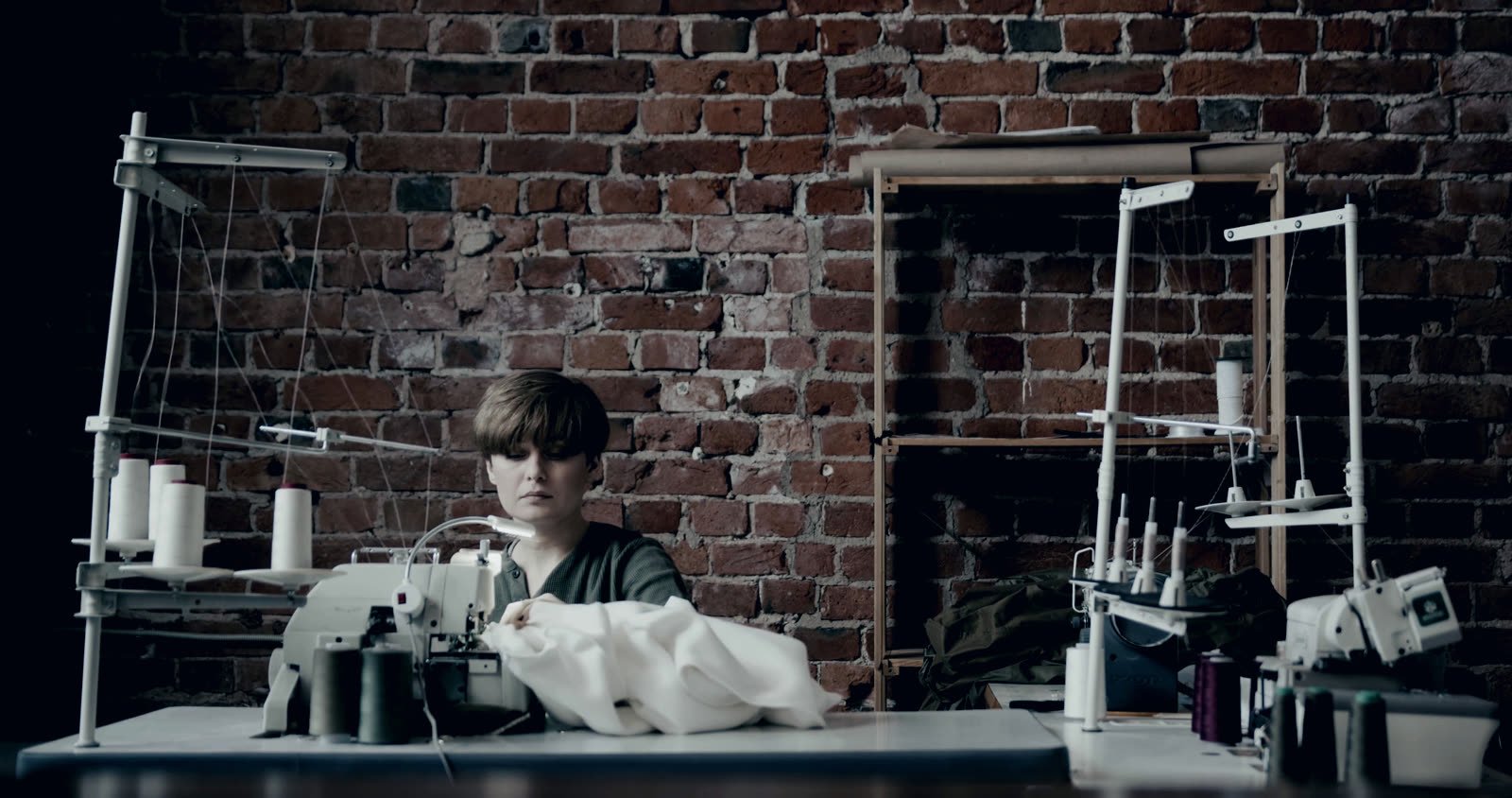
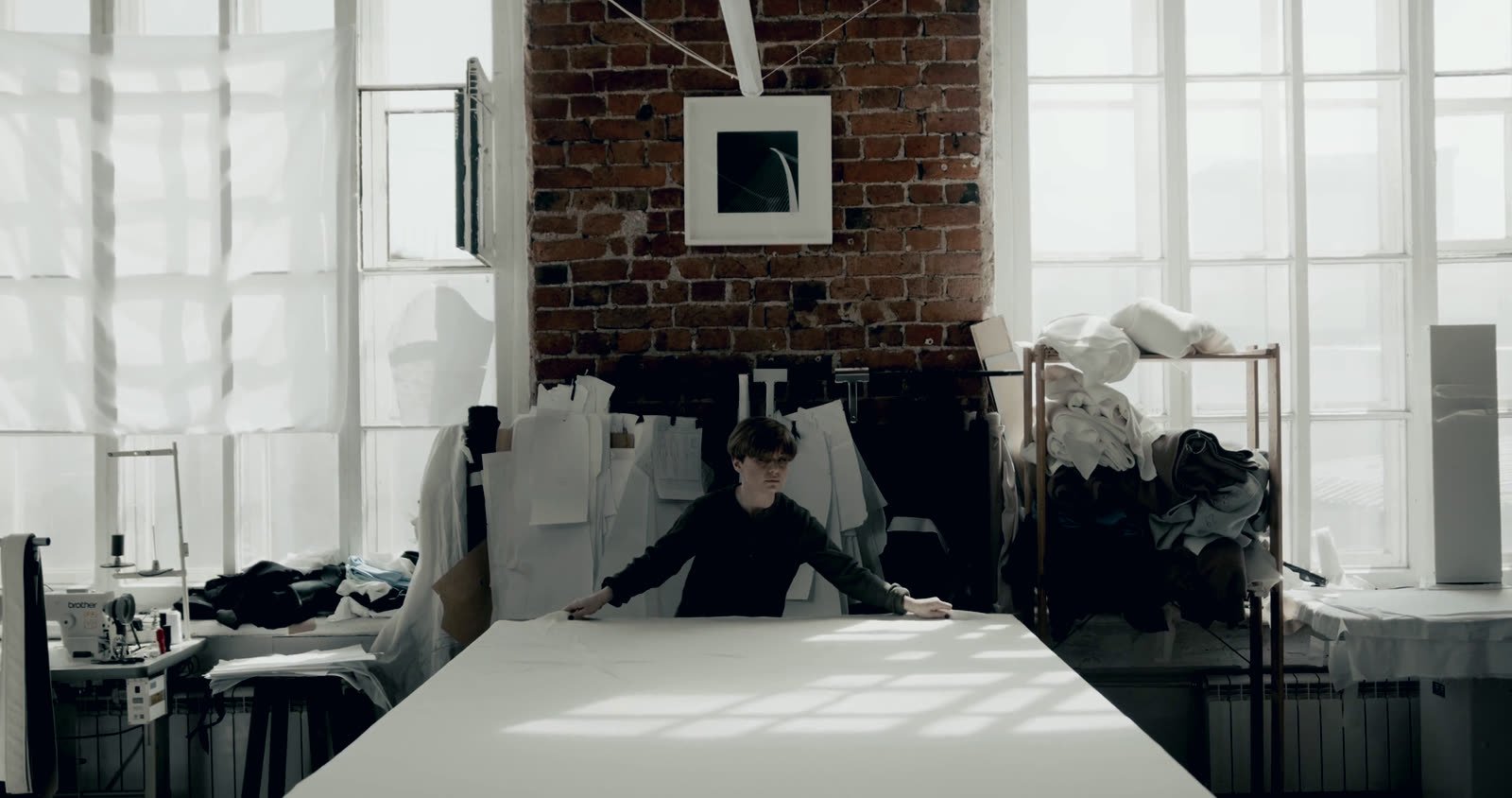
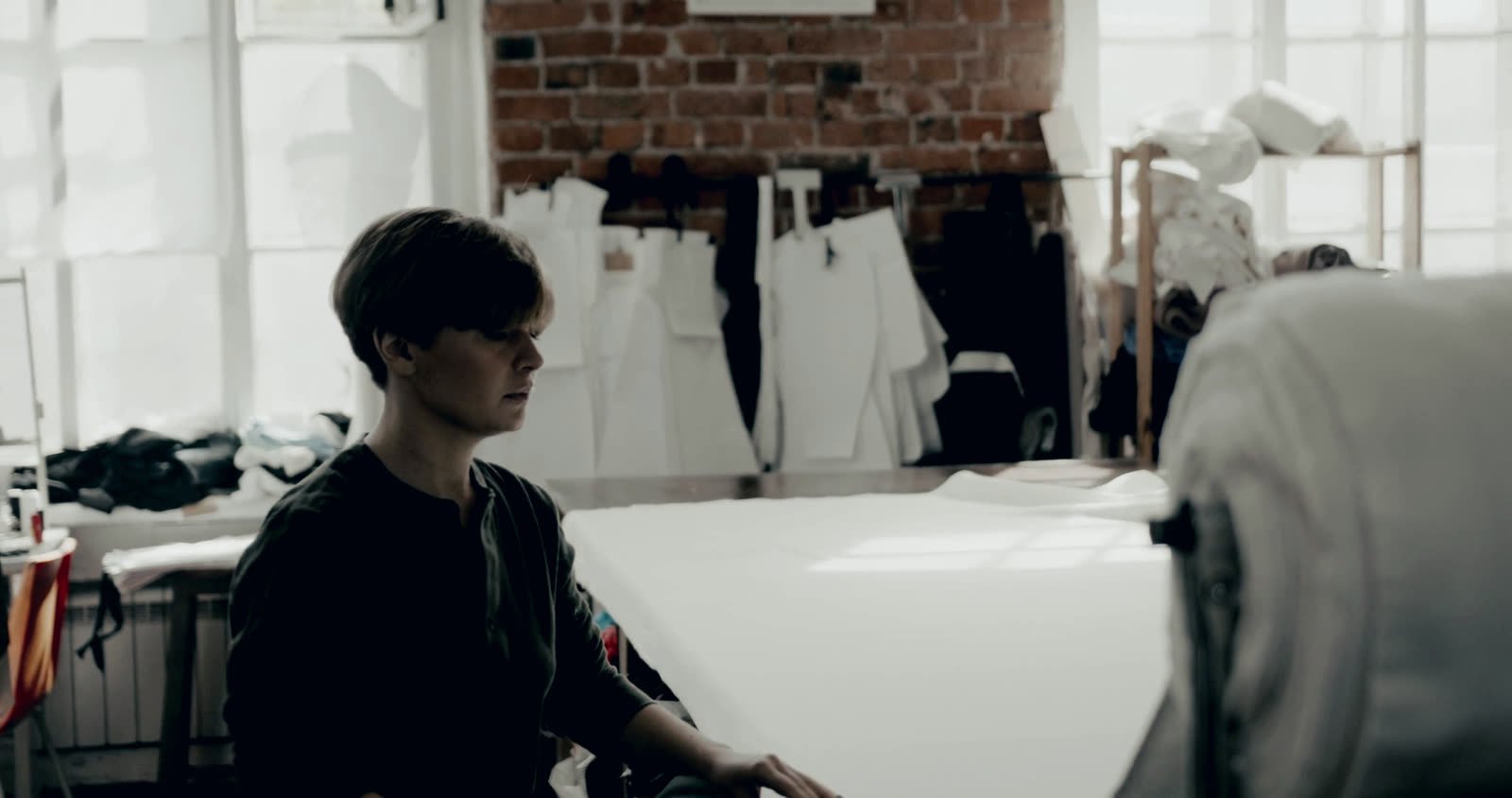
Wholesale and export
Assorted cartons for boutiques and wholesalers
Write to us directly for wholesale orders, samples and custom production. We share the in-carton assortment, minimum quantity and lead time according to your request.
Journal
Notes on fabric and buying
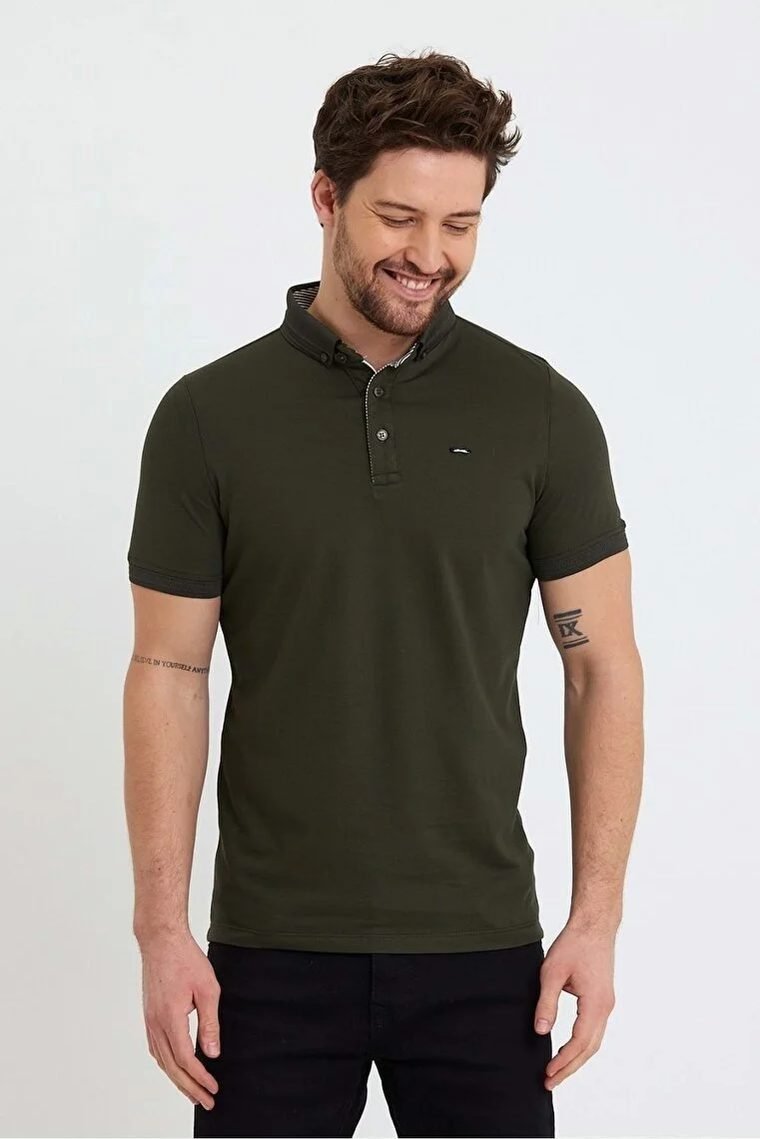
Piqué versus single jersey: which to choose and when
Both fabrics come from cotton, but they give different results in shelf life, hand feel and cost.
How to build a size assortment in wholesale buying
A badly built assortment eats the margin through leftover sizes, even in a line that sells well.
Three details that decide how long a polo collar lasts
A collar loosening after a few washes is not fate; it is the result of three settings in production.